Exhibition: Seeds of Regionalism, The Clauss Legacy : Early Modernism in the South
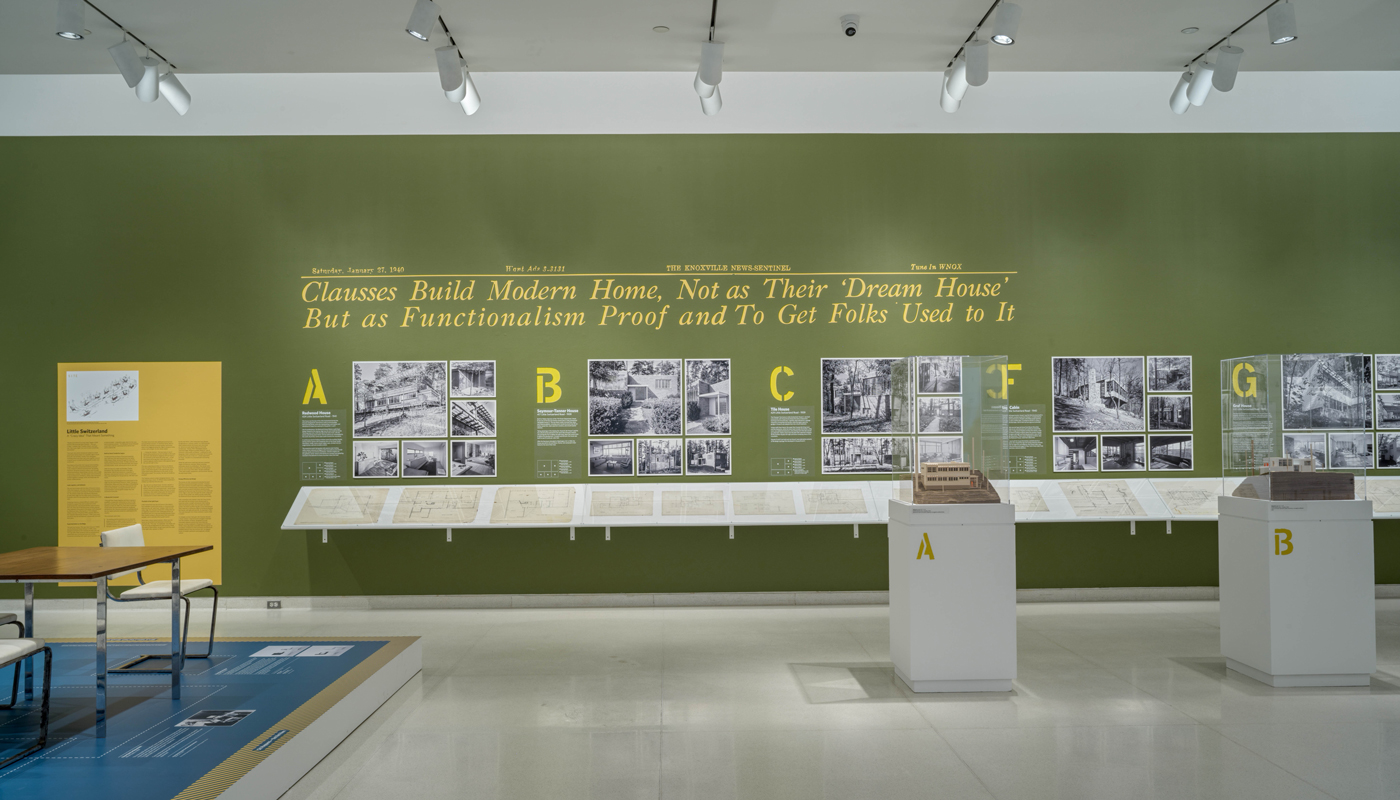
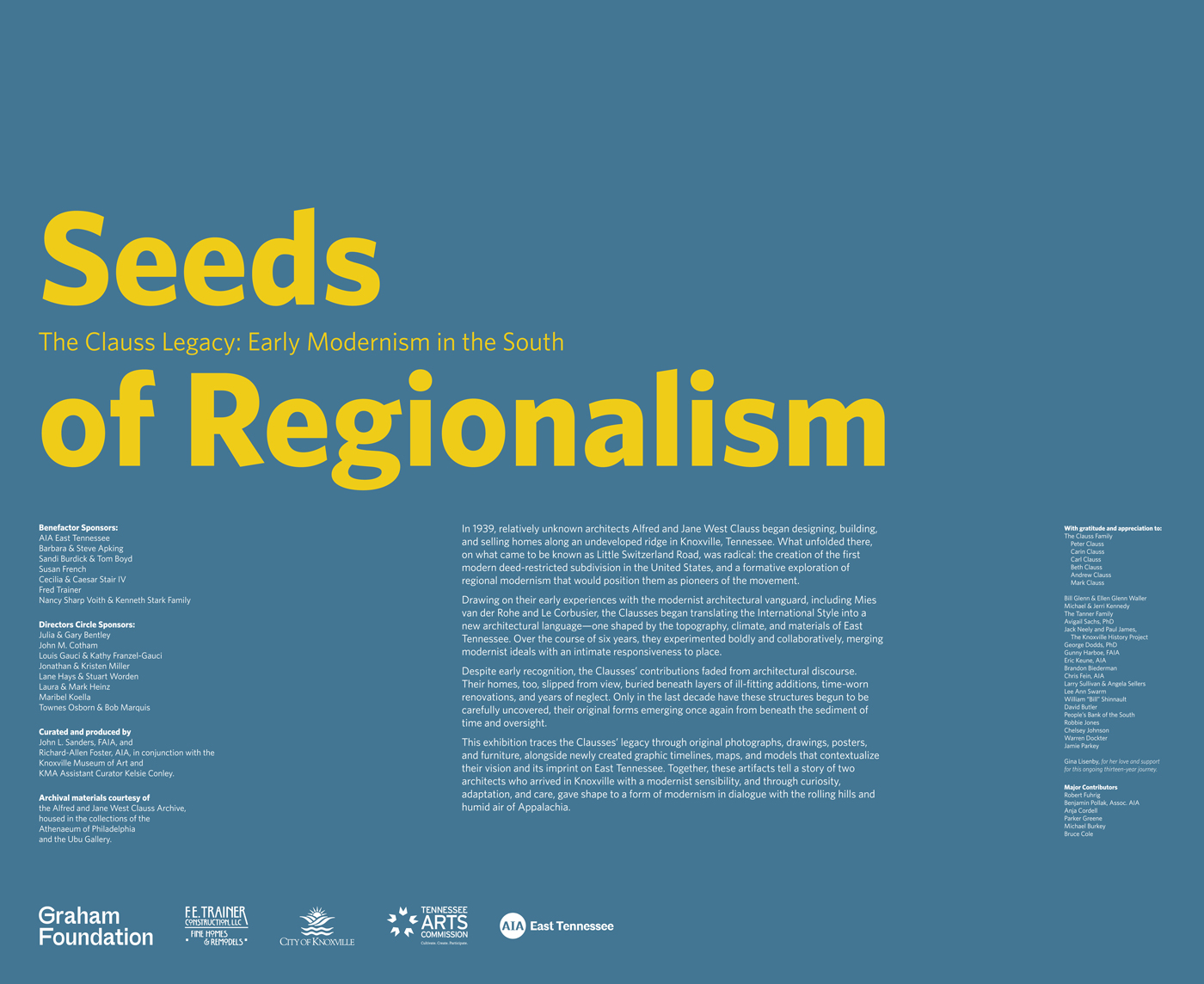
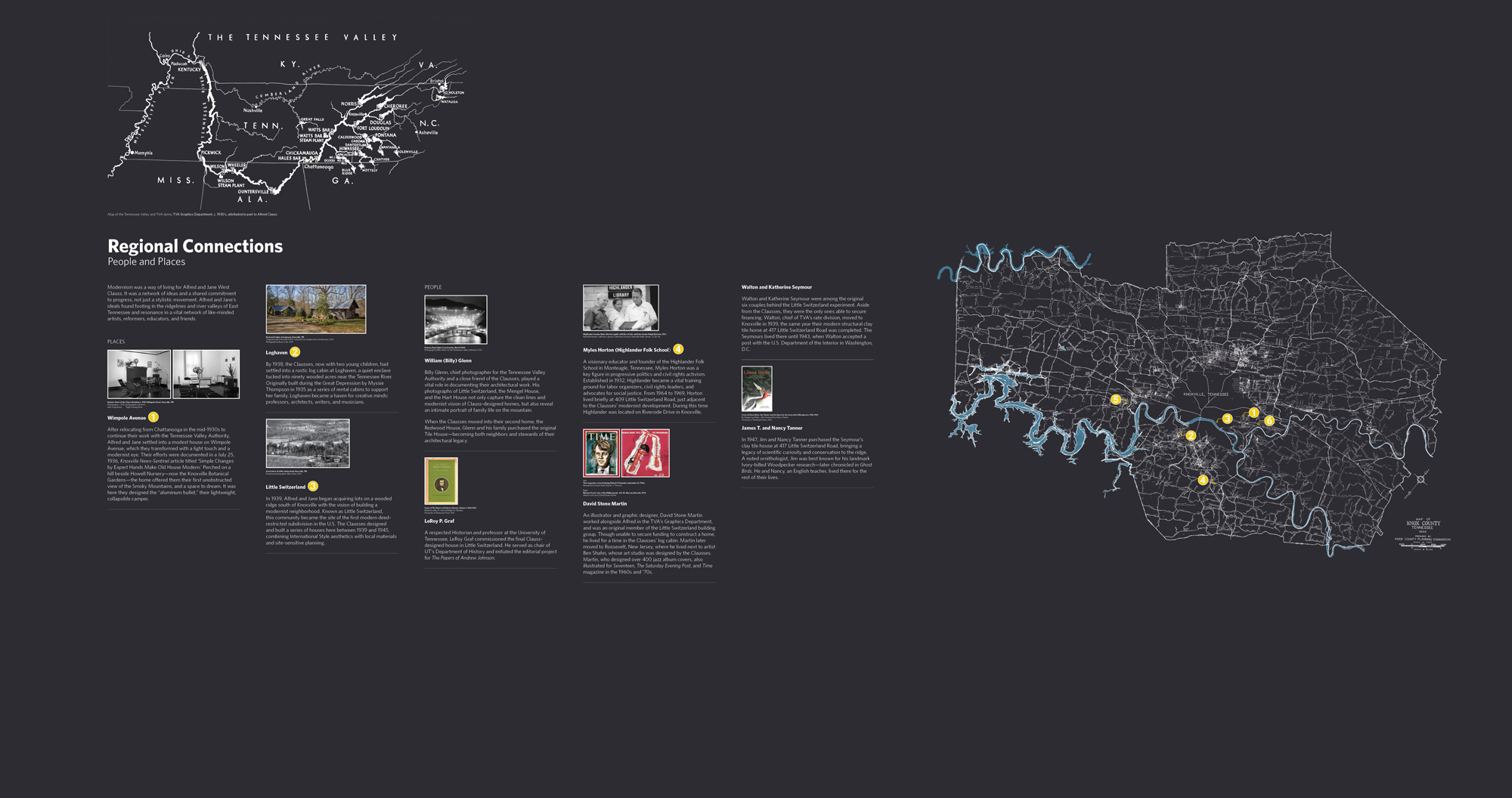
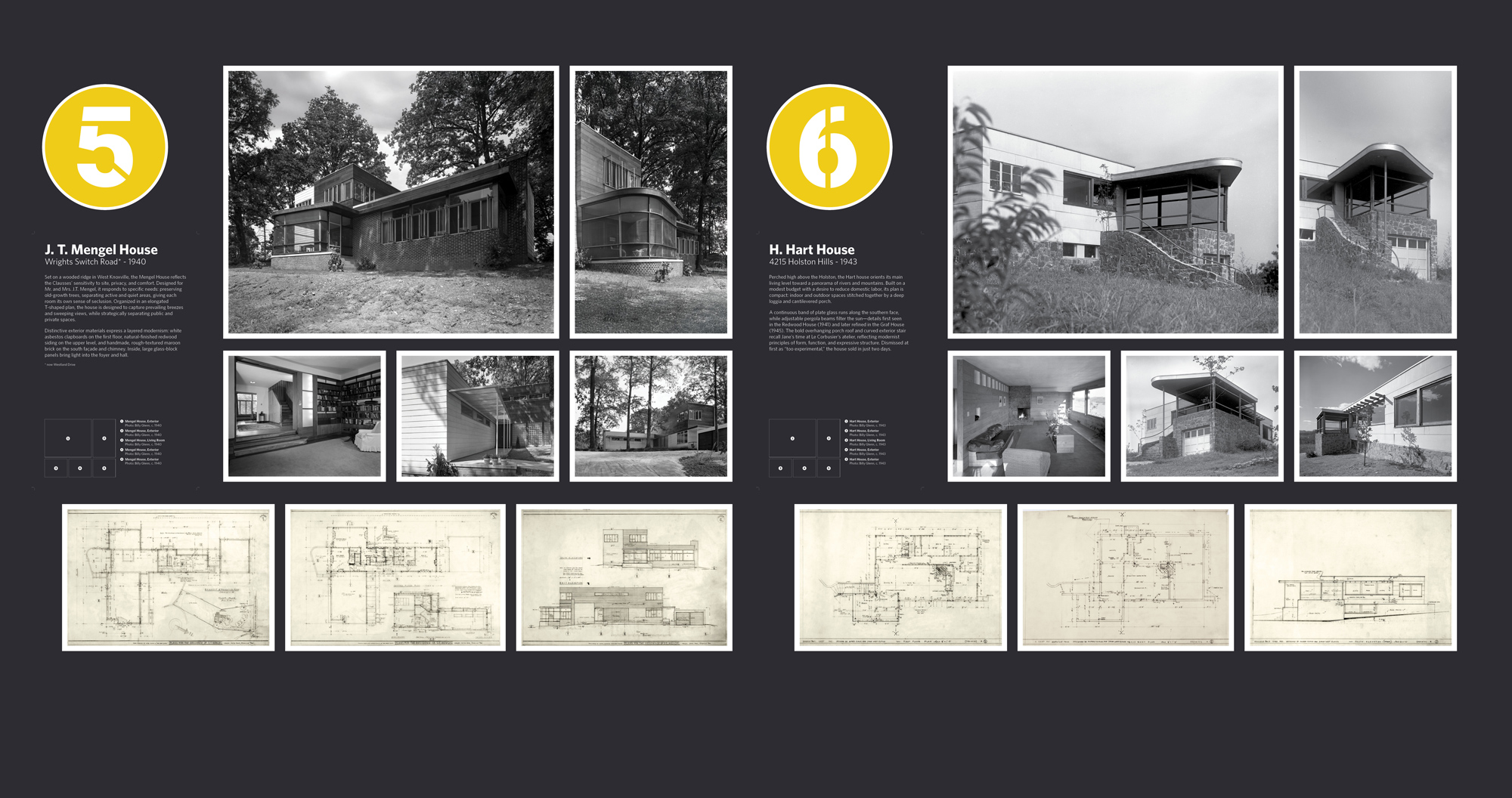
In 1939, relatively unknown architects Alfred and Jane West Clauss began designing, building, and selling homes along an undeveloped ridge in Knoxville, Tennessee. What unfolded there, on what came to be known as Little Switzerland Road, was radical: the creation of the first modern deed-restricted subdivision in the United States, and a formative exploration of regional modernism that would position them as pioneers of the movement.
Drawing on their early experiences with the modernist architectural vanguard, including Mies van der Rohe and Le Corbusier, the Clausses began translating the International Style into a new architectural language-one shaped by the topography, climate, and materials of East Tennessee. Over the course of six years, they experimented boldly and collaboratively, merging modernist ideals with an intimate responsiveness to place.
Despite early recognition, the Clausses’ contributions faded from architectural discourse. Their homes, too, slipped from view, buried beneath layers of ill-fitting additions, time-worn renovations, and years of neglect. Only in the last decade have these structures begun to be carefully uncovered, their original forms emerging once again from beneath the sediment of time and oversight.
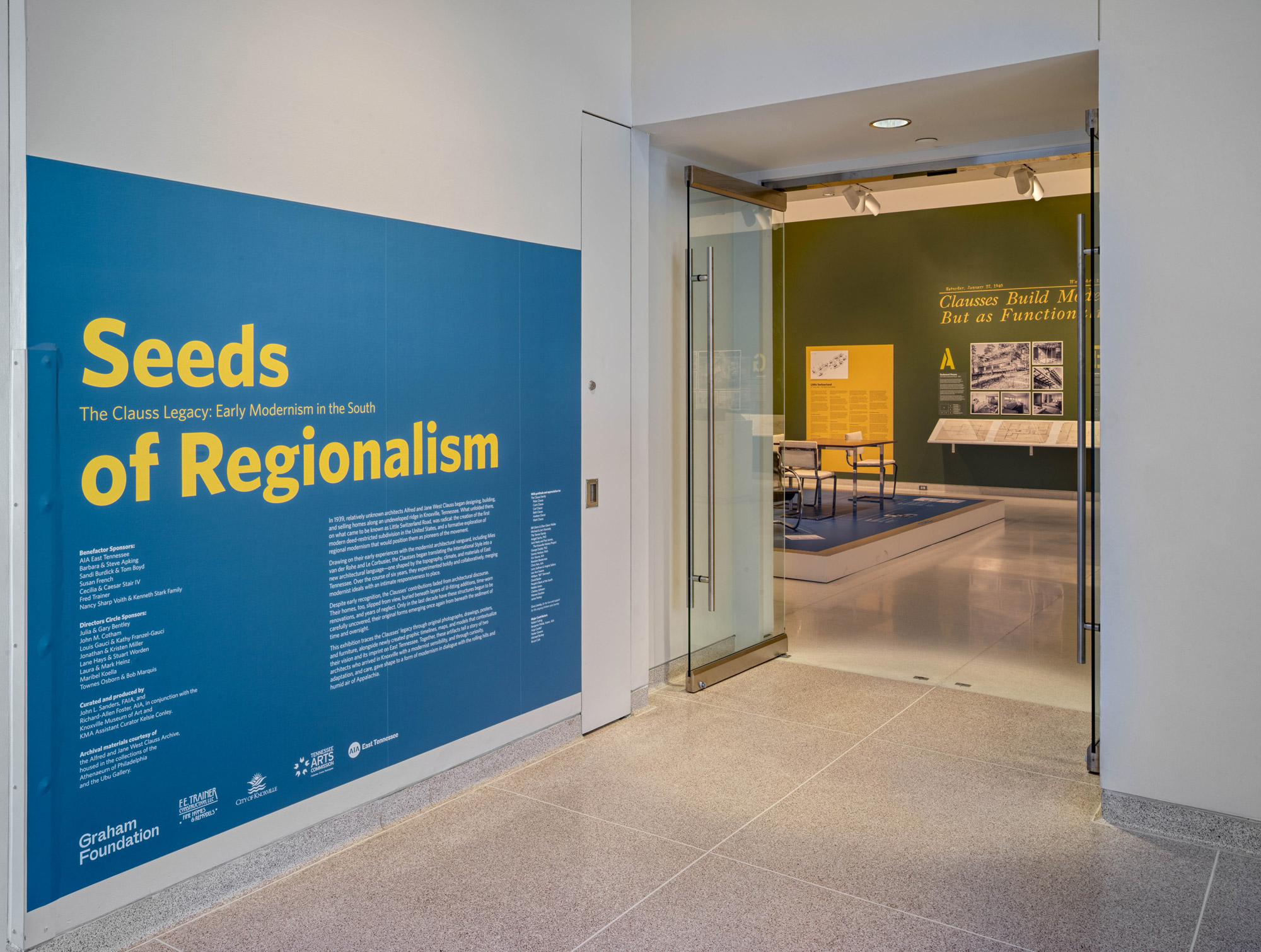
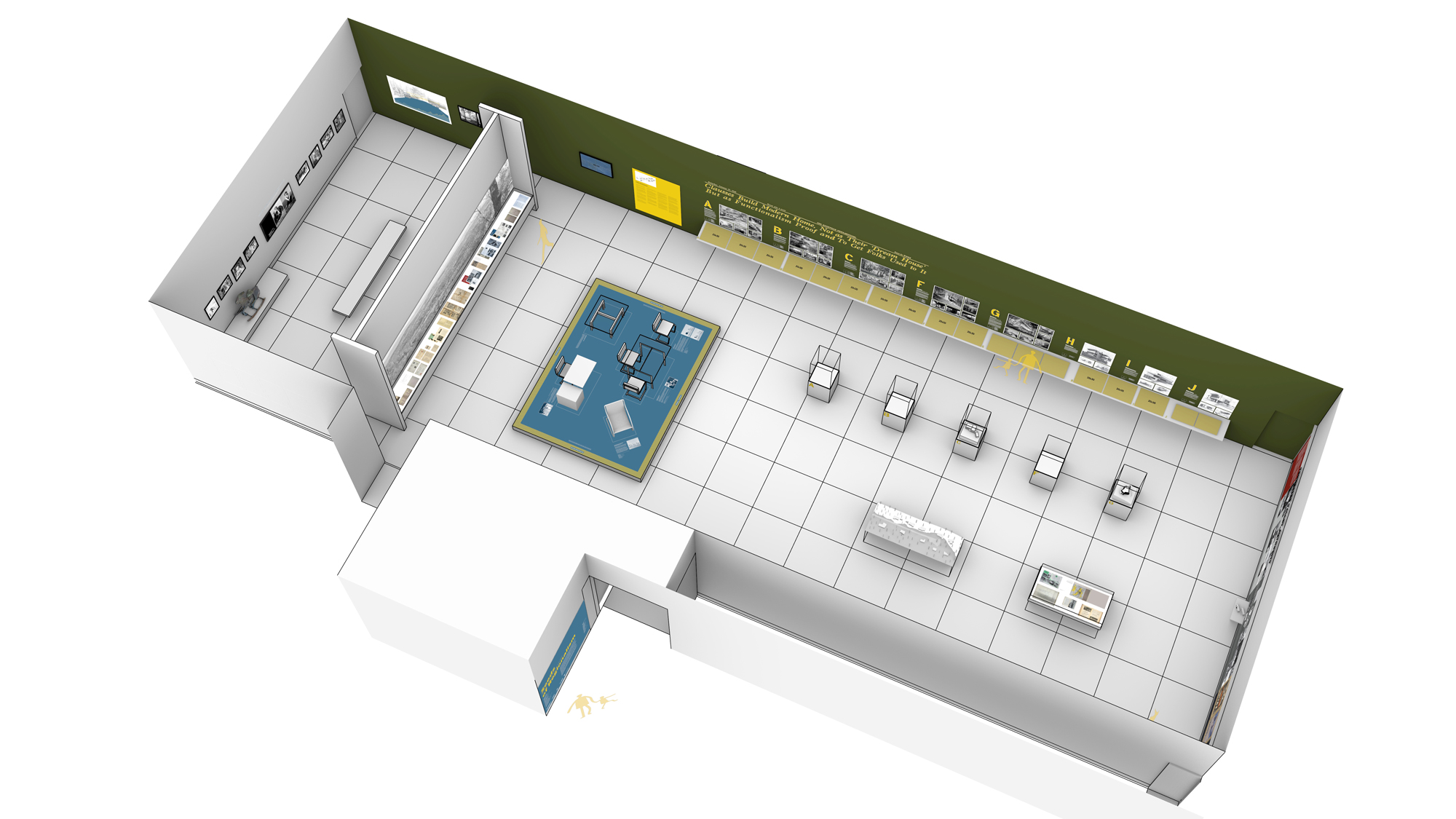
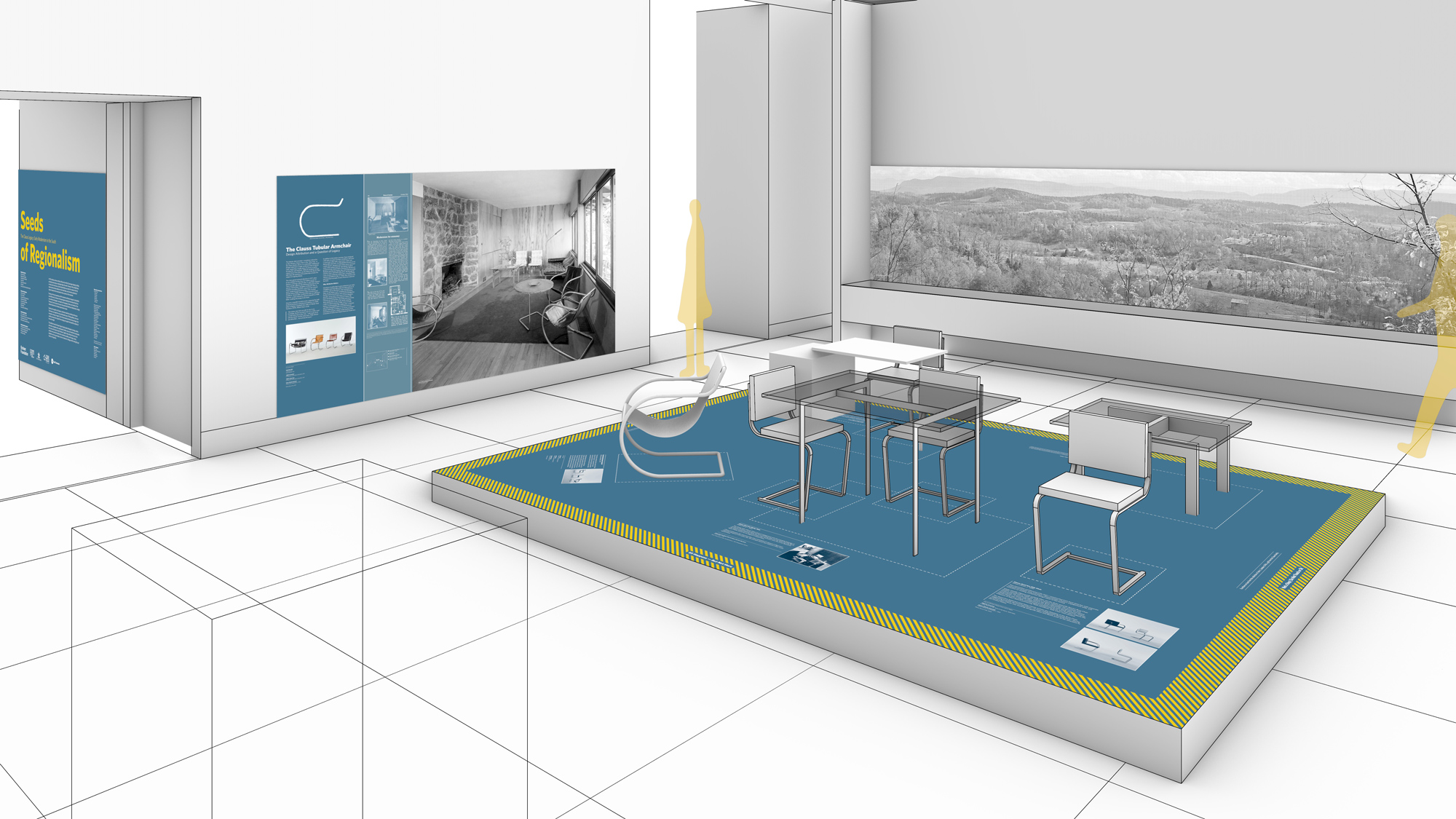
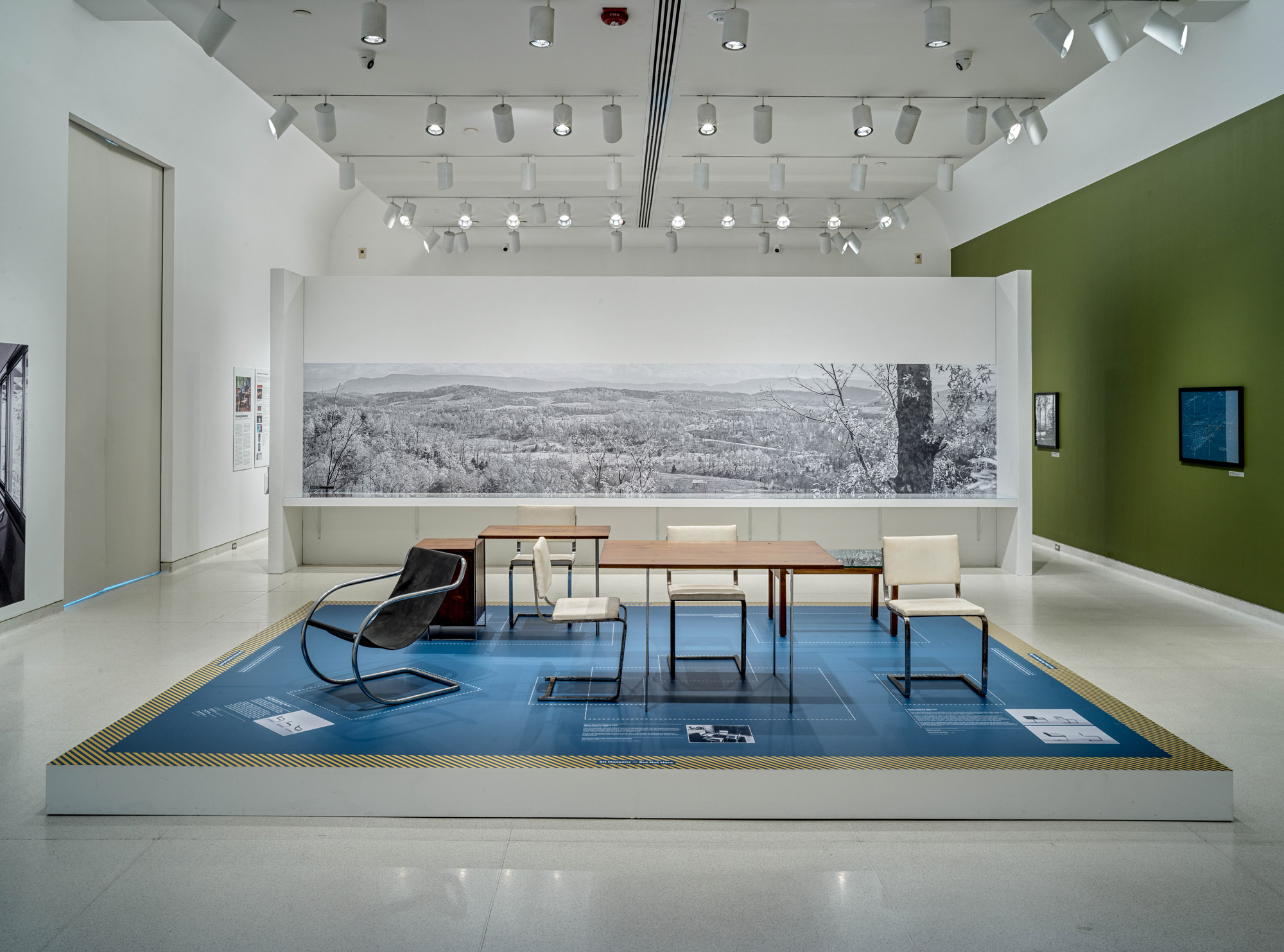
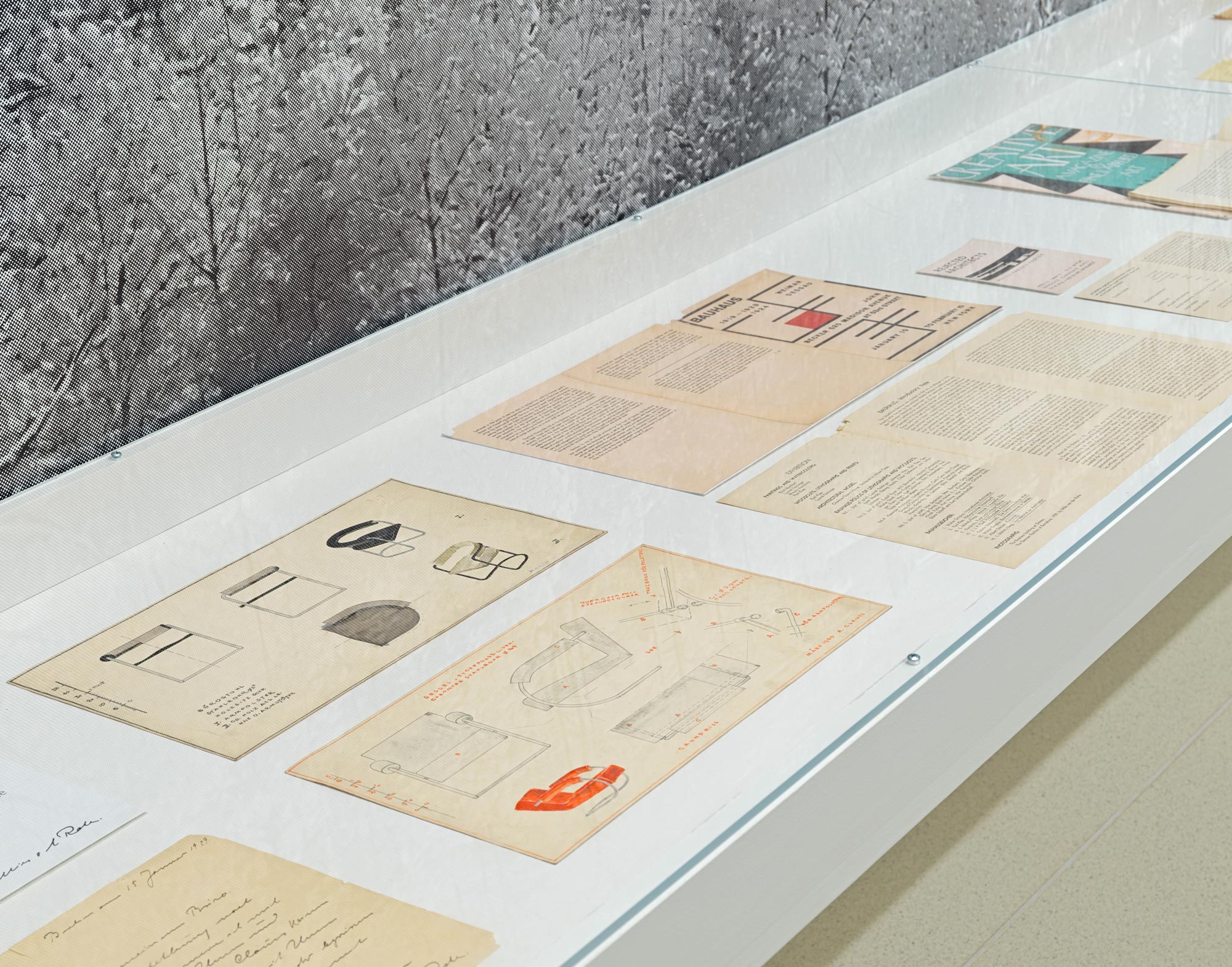
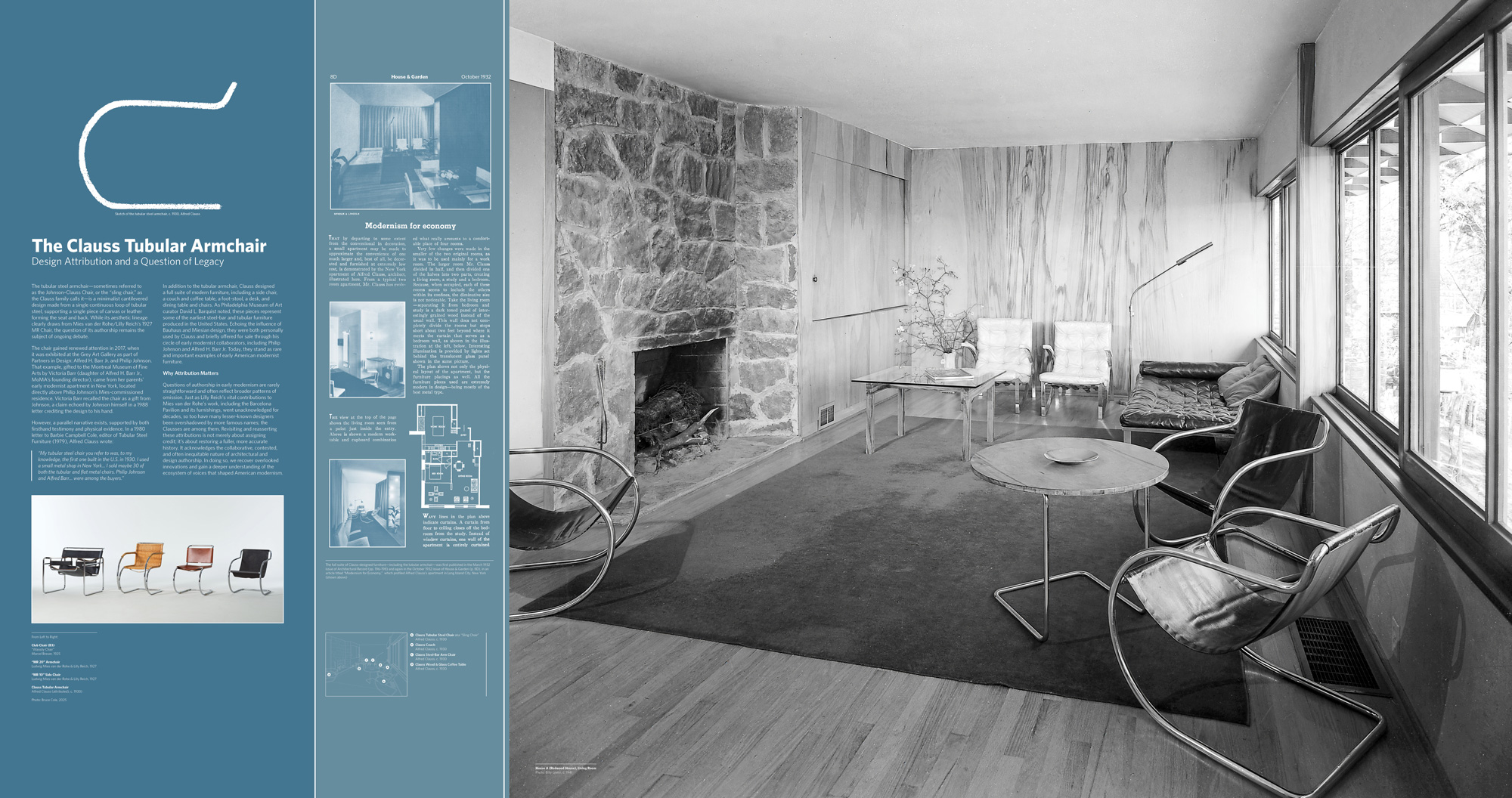
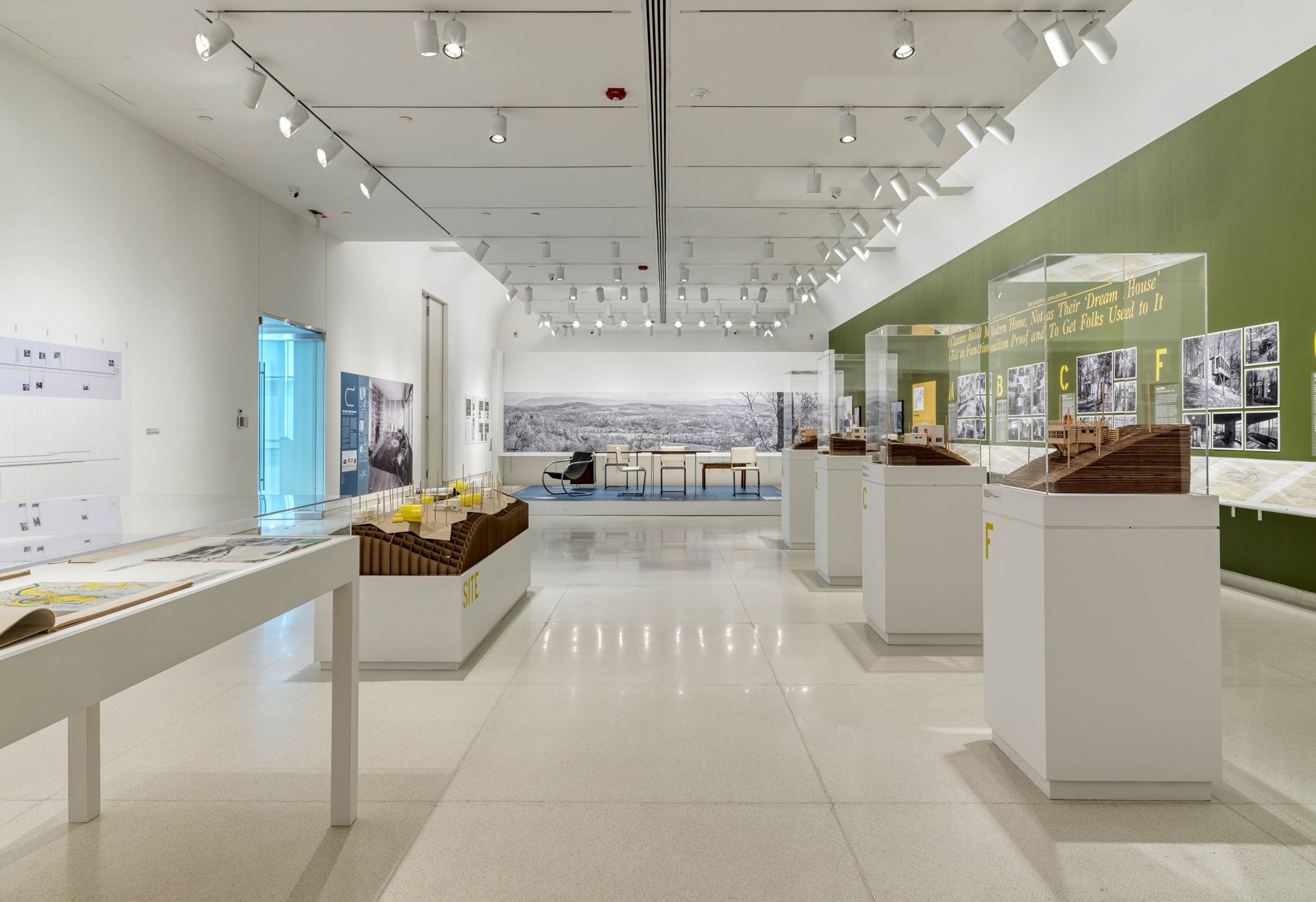
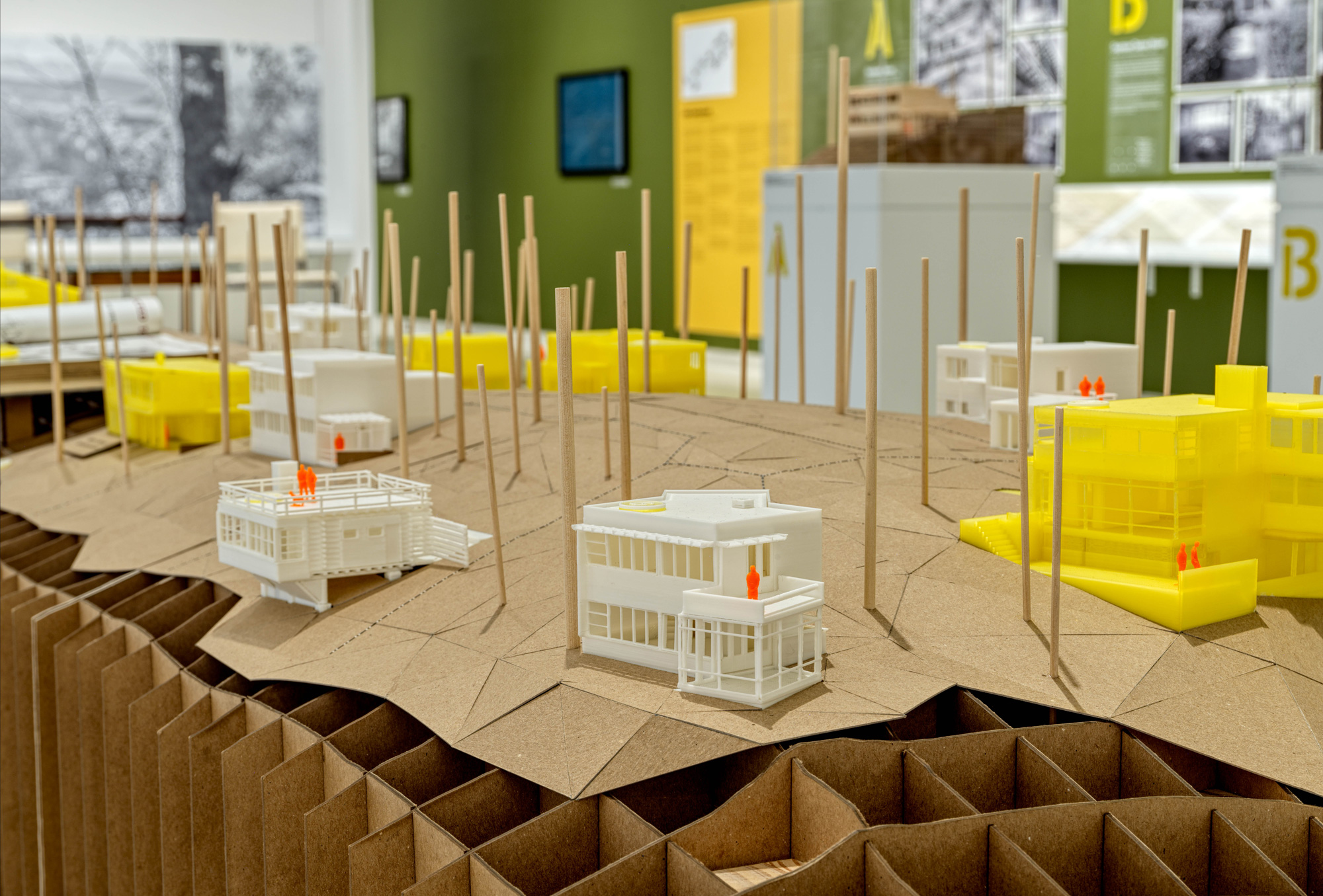
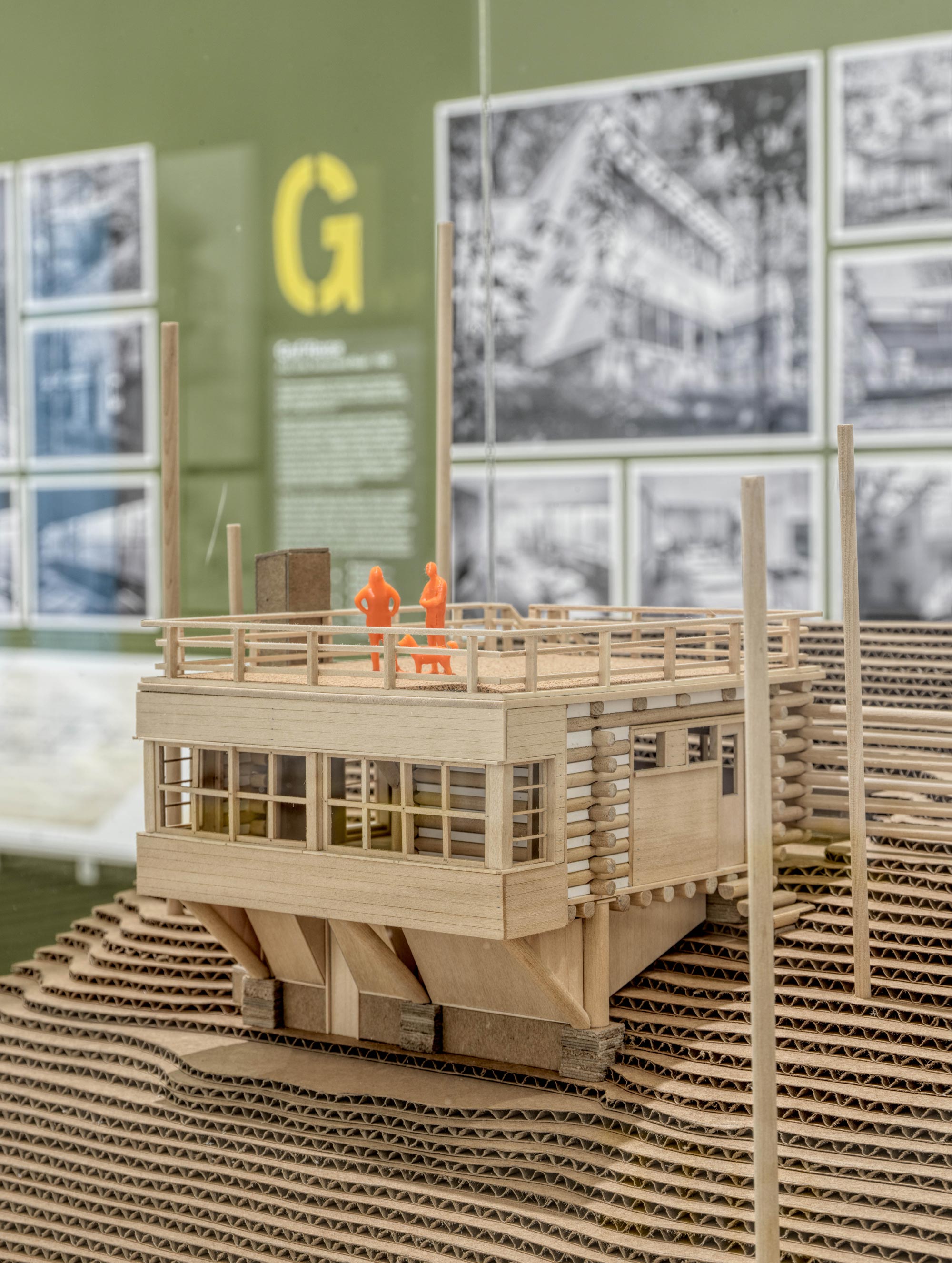
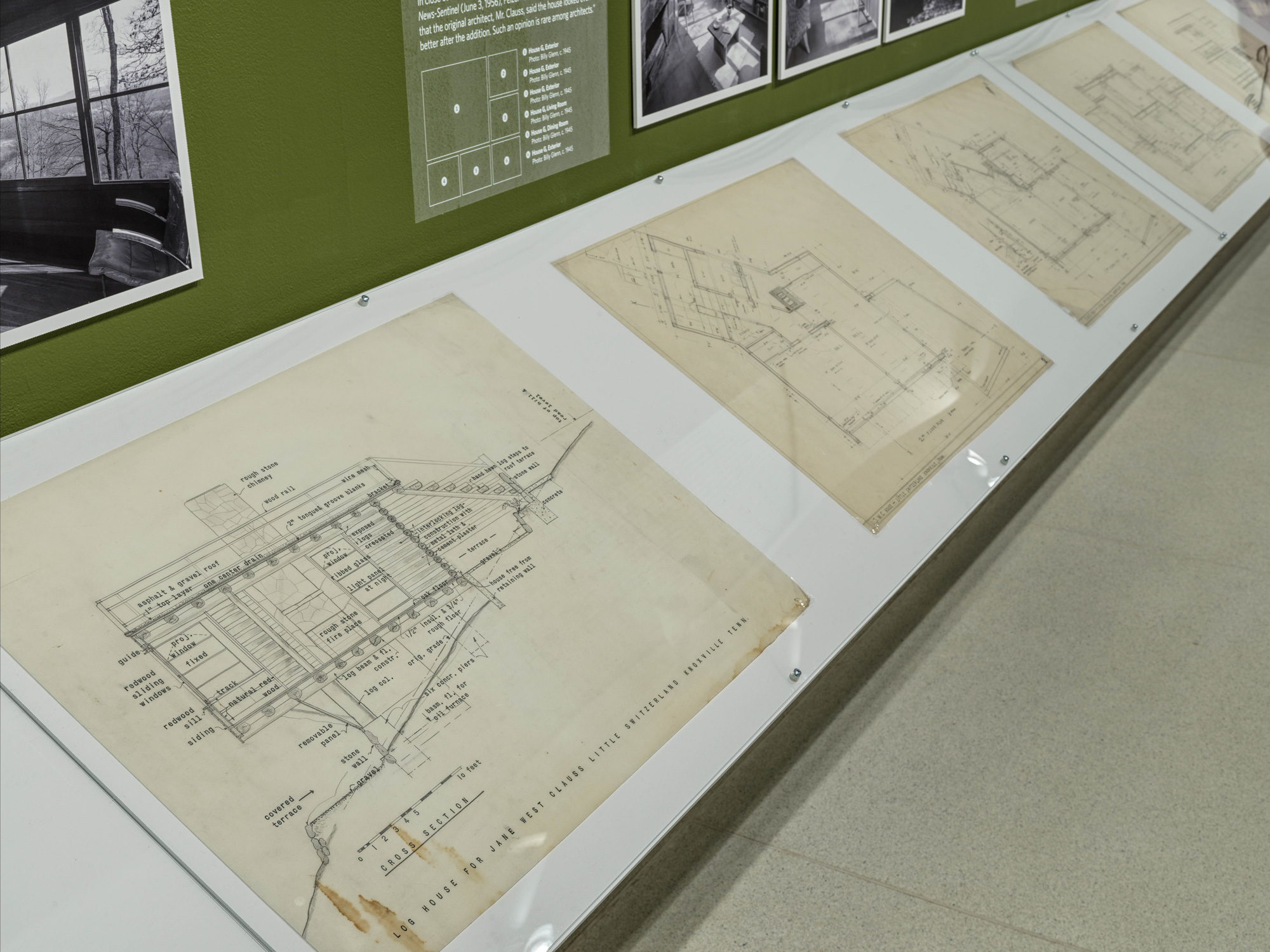
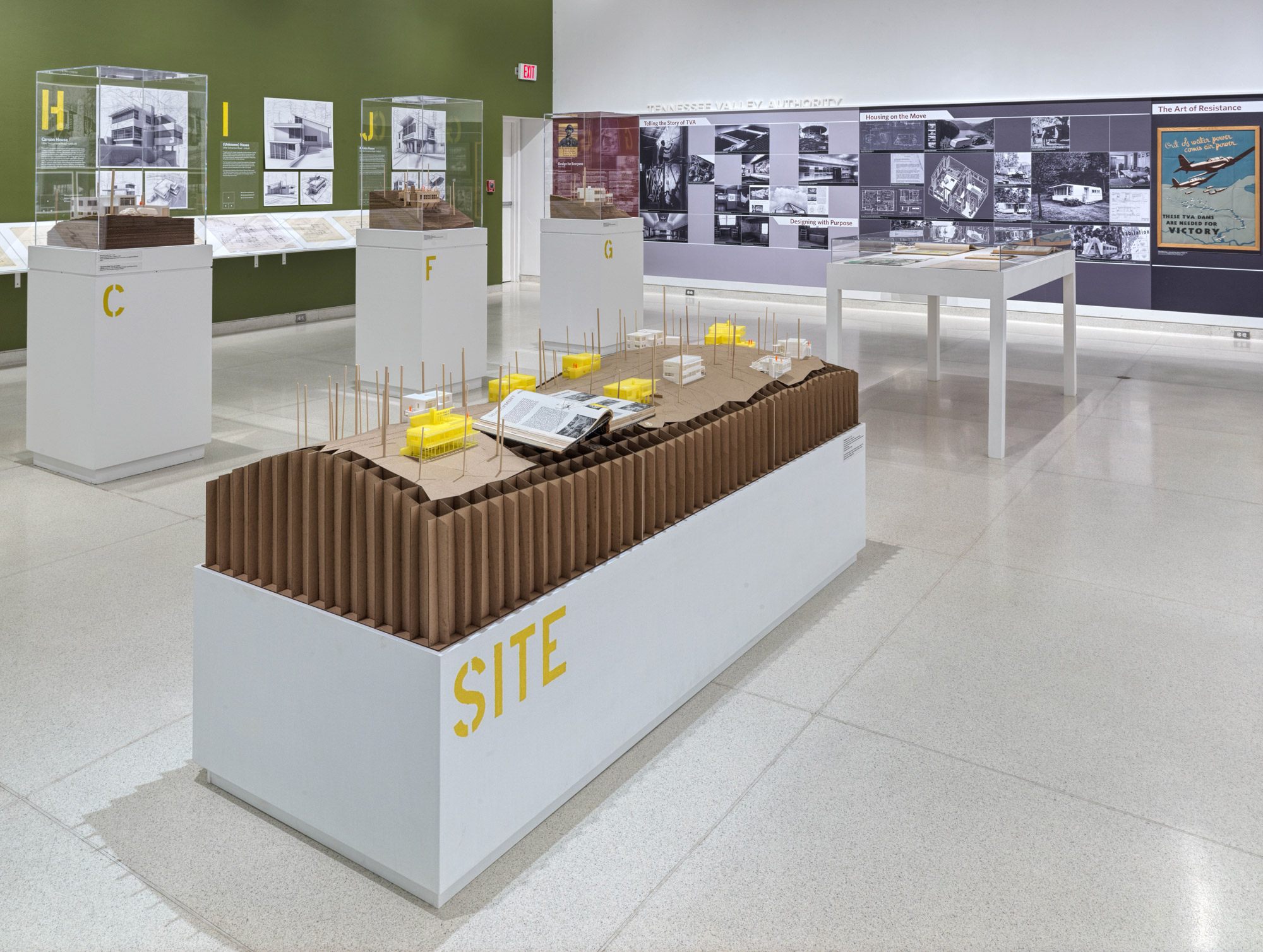
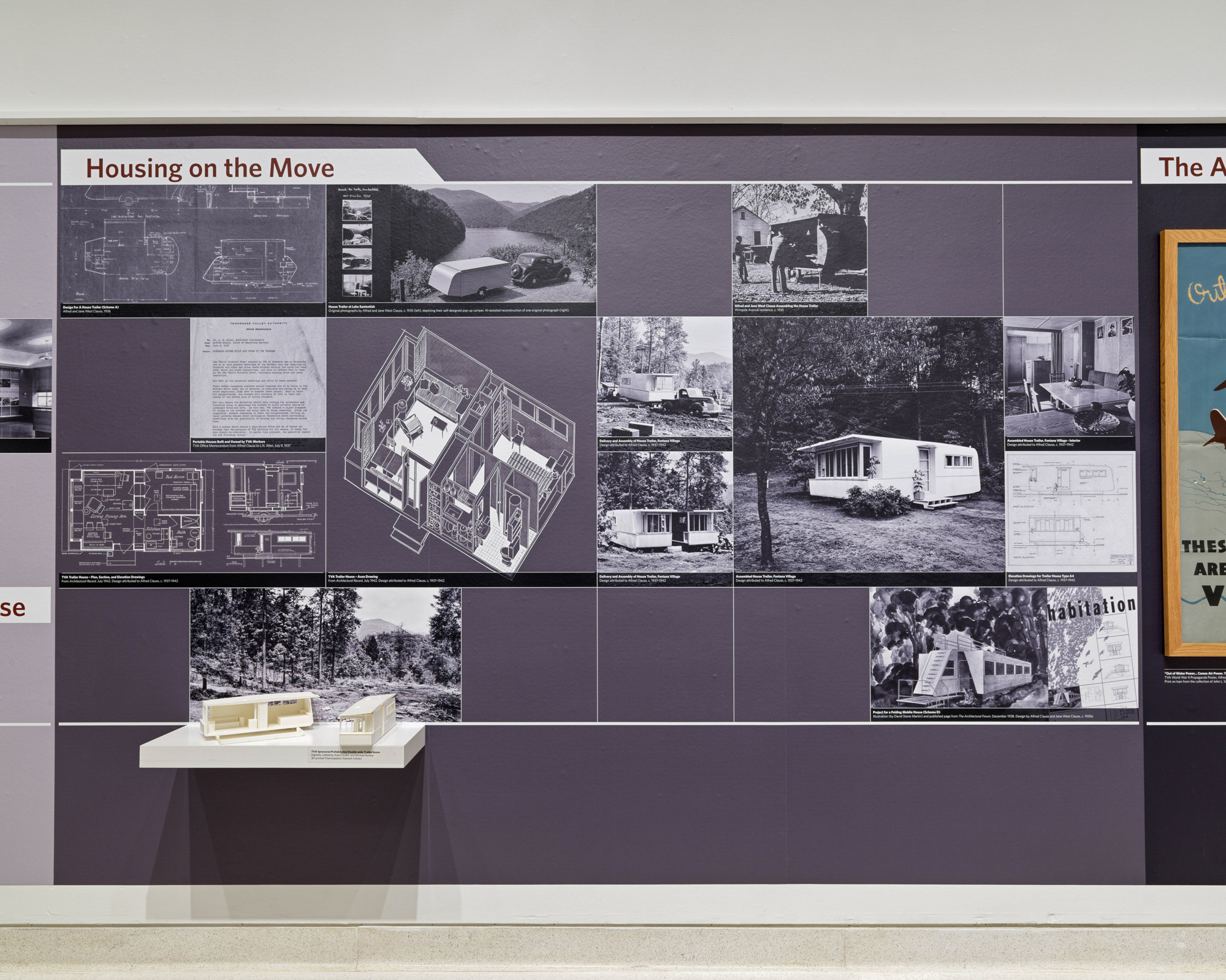
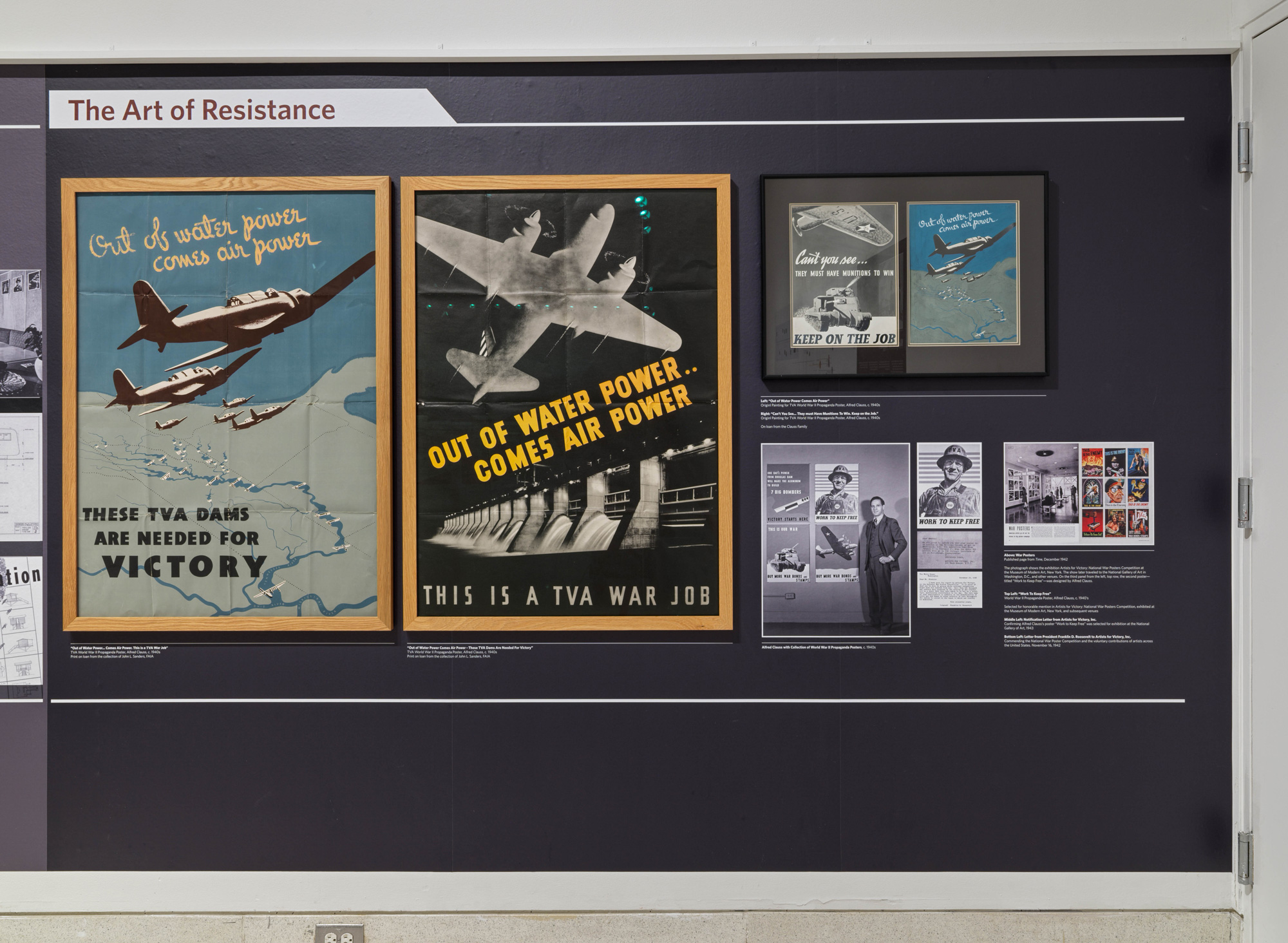
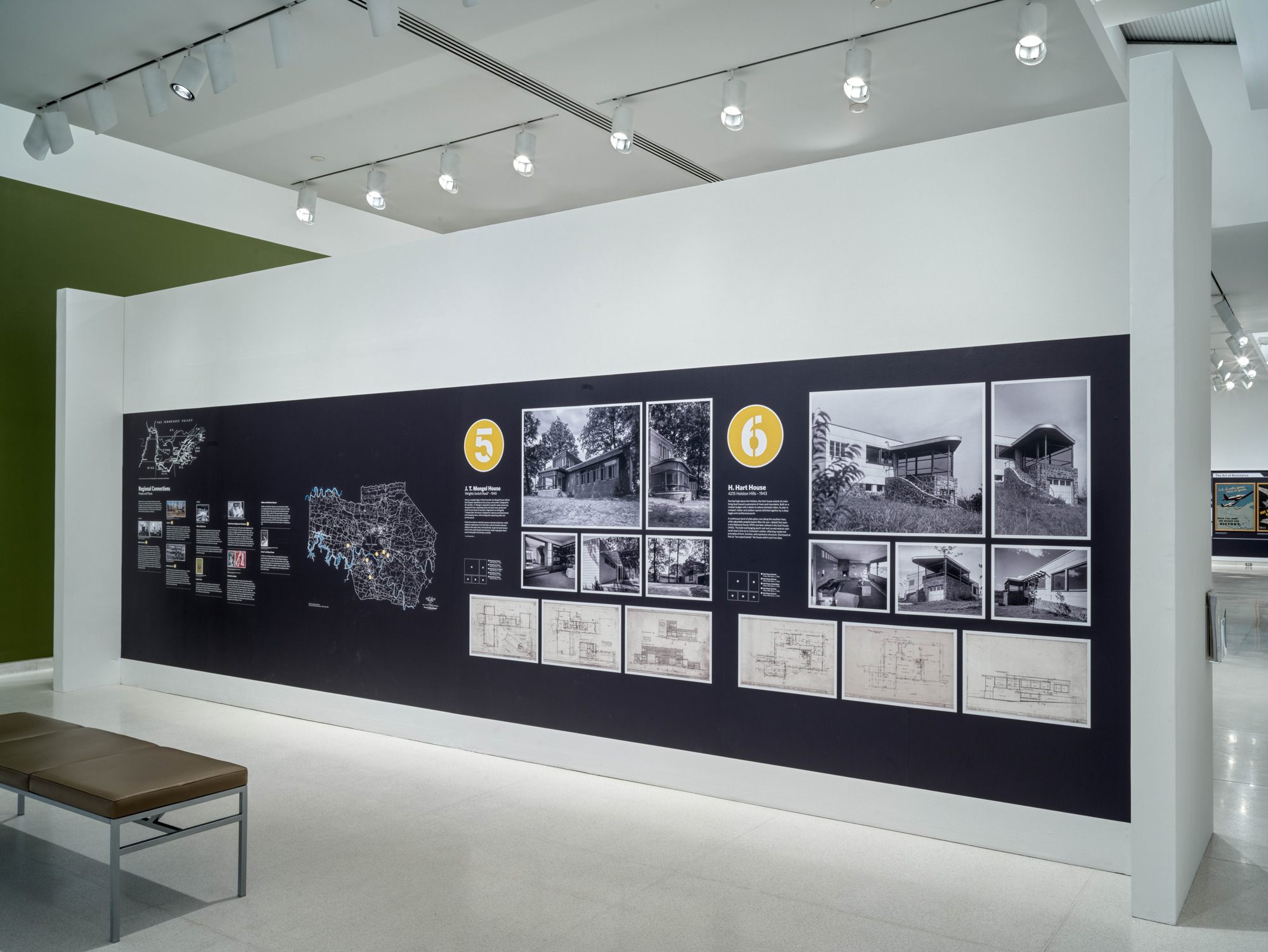
This exhibition traces the Clausses’ legacy through original photographs, drawings, posters, and furniture, alongside newly created graphic timelines, maps, and models that contextualize their vision and its imprint on East Tennessee. Together, these artifacts tell a story of two architects who arrived in Knoxville with a modernist sensibility, and through curiosity, adaptation, and care, gave shape to a form of modernism in dialogue with the rolling hills and the humid air of Appalachia.
Client:
Knoxville Museum of Art
Size:
2,800 Square FeetCompletion Date:
Fall 2025Project Team:
John L. Sanders, FAIA
Richard-Allen Foster, AIA
Robert Fuhrig
Benjamin Pollak, Assoc. AIA
Anja Cordell
Parker Greene
Michael Burkey
Bruce Cole
Photo Credits:
Bruce Cole